





How to Navigate the Galapagos Ferry System Without Getting Stranded
Planning a trip to the Galapagos Islands comes with that bittersweet feeling: the excitement of knowing you are about to set foot in one of the most incredible places on earth, mixed with a little anxiety about figuring out how on earth you are going to move from one island to another. The truth is, the archipelago does not operate like a conventional tourist destination. There are no trains here, no intercity cabs, and no highways connecting the islands. What lies between them is the Pacific Ocean, and to cross it, the famous lanchas de cabotaje.
If you are traveling independently—meaning you are doing your own route island by island instead of staying on a fixed cruise—understanding how the local maritime transit works is, without exaggeration, the key to a seamless vacation. The speedboats, also known as lanchas cabotaje, are the vessels that link the four main inhabited islands: Santa Cruz, San Cristóbal, Isabela, and the less-frequented Floreana. They are fast, economical, and the only real option if you want to move around freely. The problem is that seating is limited and some routes sell out weeks in advance. That is why, if your itinerary is relatively clear, the smartest move is to buy Galapagos ferry tickets before arriving.
1. The Schedules are Set by the Navy, Not the Market
One of the first things that catches your attention when you start researching the speedboat system is that schedules are not defined by private companies based on demand; they are regulated by the Ecuadorian Navy (Armada del Ecuador). All inter-island maritime traffic is under strict government control, primarily for safety reasons and to protect the archipelago’s delicate ecosystems.
What this means in practice is that there are very specific departure windows, usually twice a day: one in the early morning and one in the afternoon. There are no mid-day departures or overnight services. If you miss your boat, you will be left waiting until the next available departure, which could be that same afternoon or directly the following morning. And if you already have a hotel booked or a pre-paid tour on your destination island, that can turn into a pretty serious headache.
| Route | Morning Departure | Afternoon Departure | Average Duration |
|---|---|---|---|
| Santa Cruz → San Cristóbal | 07:00 AM | 02:00 PM / 03:00 PM | 2 to 2.5 hours |
| San Cristóbal → Santa Cruz | 07:00 AM | 03:00 PM | 2 to 2.5 hours |
| Santa Cruz → Isabela | 07:00 AM | 03:00 PM | 2 to 2.5 hours |
| Isabela → Santa Cruz | 06:00 AM (special) / 07:00 AM | 03:00 PM | 2 to 2.5 hours |
| Santa Cruz → Floreana | 08:00 AM (alternating days) | 03:00 PM (alternating days) | 2 hours |
*A note on Isabela: The special 06:00 AM schedule from Isabela to Santa Cruz exists for a very specific reason: it allows travelers to arrive in time to catch afternoon flights departing from Baltra Airport. If your plan includes visiting Isabela and then flying out of Baltra on that same day, this departure is your only viable option.
2. The Ocean Doesn’t Always Cooperate
On average, the routes between islands cover roughly 30 to 50 nautical miles, and the journey takes between two and two and a half hours. However, the Pacific Ocean has its own character, and there are times of the year when the crossing can get quite bumpy.
- From January to May (Warm Season): The ocean is generally calmer, the water is warmer, and journeys are usually completed closer to the two-hour mark. This is the most comfortable time of year for crossings.
- From June to December (Garúa Season): The Humboldt Current brings cooler waters and choppier seas. Waves can be considerable, travel times stretch out, and more than one passenger arrives at their destination with an upset stomach. It is not the ideal season for those prone to motion sickness, though it is by no means impassable.
3. Not All Boats are Equal: Who Operates Matters
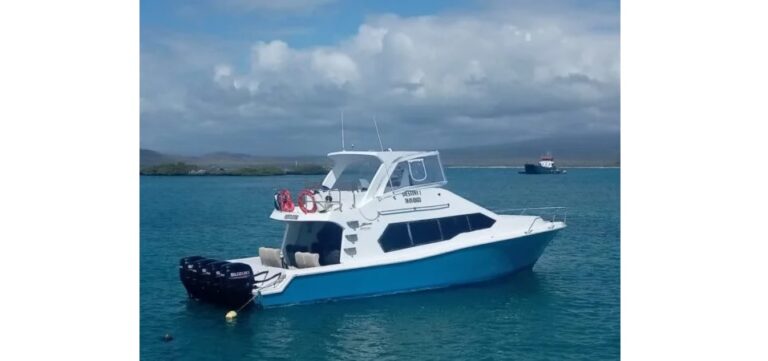
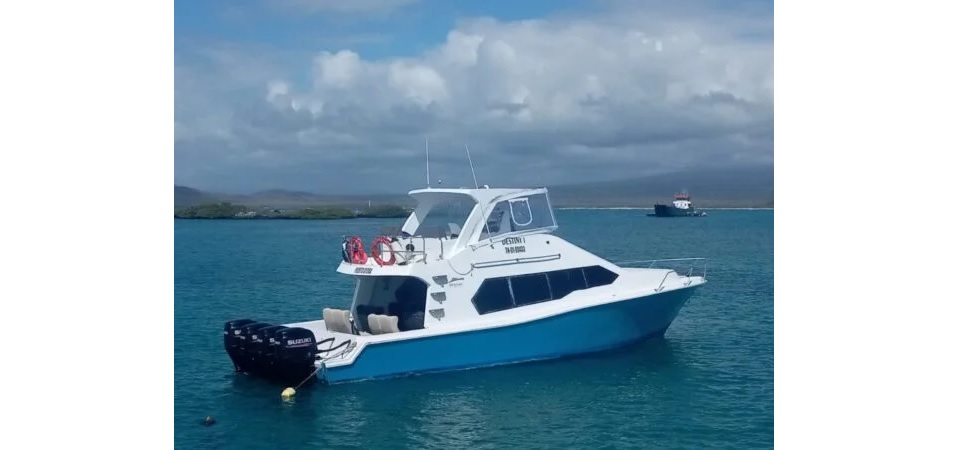
Here is one of the details many people do not consider until they are already standing at the pier. Not just any vessel can transport passengers between islands: the local government only authorizes operators that meet fairly strict safety inspections. Licensed speedboats feature high-performance outboard motors (usually double or triple), GPS communication systems, life jackets for all passengers, and a covered cabin that protects you from both the equatorial sun and ocean spray.
You might find someone at the pier offering a cheaper ticket on an informal boat. The advice here is clear: don’t do it. Beyond the legal risks, an unlicensed vessel does not follow the same maintenance or safety standards, and ending up with an engine failure in the middle of the ocean—far from any shoreline—is definitely not a situation you want to find yourself in.
4. Travel Day: What You Need to Know Before Reaching the Pier
The boarding process involves a few steps that are helpful to know in advance so you don’t get stressed out on travel day:
- Arrive early: It is highly recommended to be at the pier at least 45 minutes before departure. Before you can even get close to the boat, your luggage must pass through a biosecurity check run by the Galapagos Biosecurity Agency (ABG). They check that you are not carrying seeds, fresh food, or any organic material that could introduce invasive species between islands. This is mandatory and never skipped.
- The pangas: In ports like Puerto Ayora (Santa Cruz) or Puerto Villamil (Isabela), the shallow water prevents the speedboats from docking directly against the pier. To reach your vessel, you will need to take a small water taxi known locally as a panga. The cost is between $1.00 and $2.00 per person, paid in cash directly to the driver, and it is something almost no one warns you about beforehand.
Insider Tip for Smart Planning
The schedules for the speedboat system are rigid and available seats sell out quickly, especially for the morning departures. Trying to get a ticket informally on the very day of travel, right at the pier, is a risky gamble that can throw off your entire itinerary. This happens with particular frequency on high-demand routes like the Santa Cruz to Isabela ferry.
Furthermore, not all boats offer the same level of stability on the water: there are real differences between vessels depending on the hull design and engine size. Before defining your route, you can consult the GalaFerry platform to see real-time availability of operators, compare reviews, and organize your inter-island transfers without any last-minute surprises.